
Walls Restored to Original Condition
Drywall Repair in Farmington for homes with cracks and damage from foundation settling
Freeze-thaw cycles cause foundation movement in Davis County homes, creating cracks that appear at corners, along seams, and around door frames as the structure settles slightly over time. The Bald Guy Handyman handles wall repairs that blend seamlessly with surrounding surfaces, testing for moisture before patching and custom-matching texture using brushes and rollers to recreate the original finish. You end up with repairs that disappear once painted, with no visible lines or texture mismatches that reveal where the damage was located.
Proper repair work addresses whether the crack or hole is stable or indicates ongoing movement that requires monitoring, checks that no moisture is present from leaks or condensation before sealing the area, and builds up joint compound in thin layers that cure fully between coats. Texture matching involves analyzing the existing wall pattern and selecting the right tool and application method to recreate it at the same scale and depth.
Schedule a free estimate to review wall damage and determine the repair approach your home needs.
What Changes After Wall Repairs Are Complete
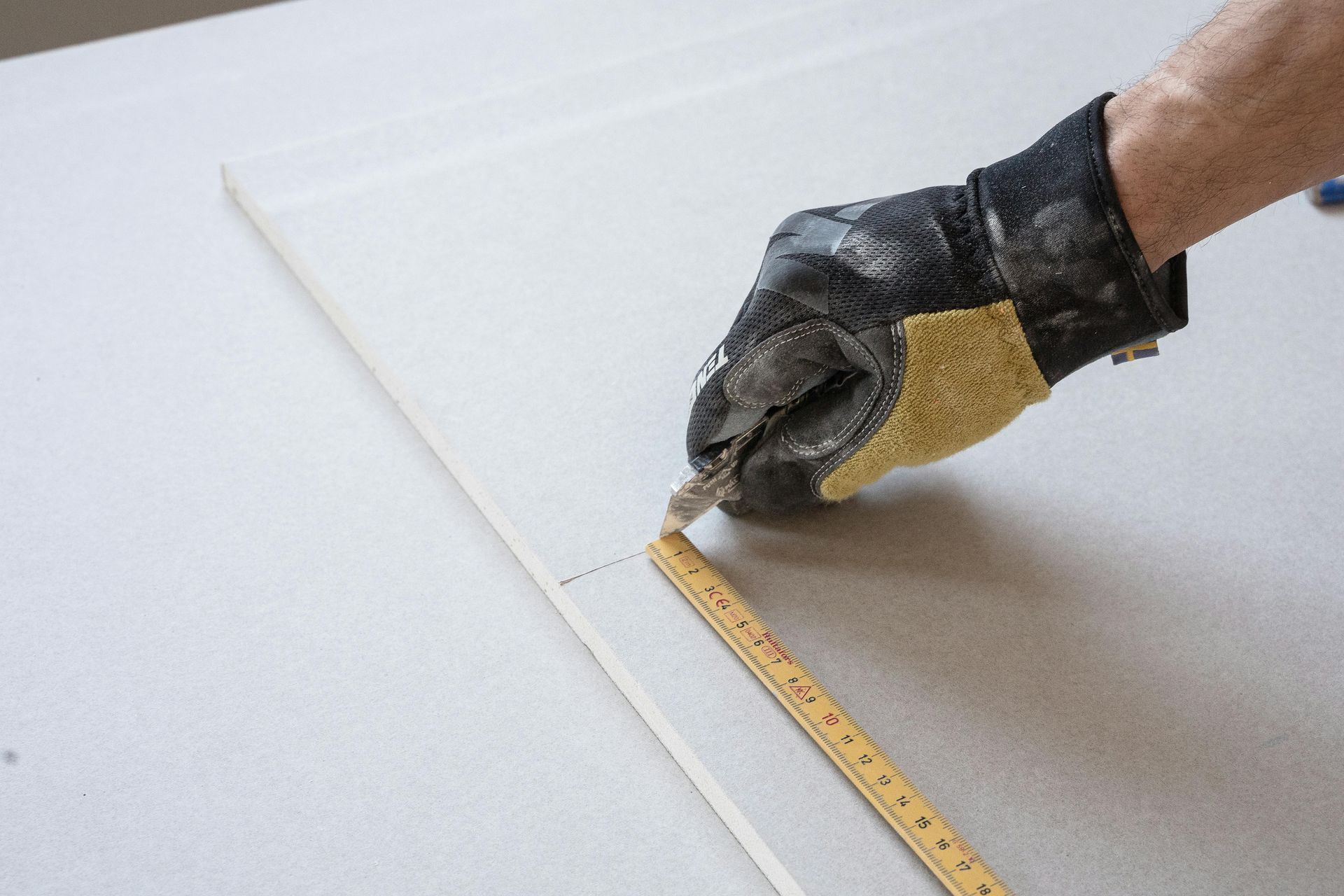
Repairs begin with moisture testing the damaged area using a meter to confirm drywall is dry enough to accept patching materials, then cutting damaged sections to clean edges and installing backing where needed. Joint compound is applied in multiple thin coats, feathering edges beyond the repair zone so transitions are gradual rather than abrupt. Once dry, the area is sanded smooth and texture is applied with brushes, rollers, or spray equipment depending on the pattern, replicating the size and depth of surrounding texture.
The repaired section becomes indistinguishable from the rest of the wall once primed and painted, with texture that matches in both appearance and feel when you run your hand across it. Cracks no longer reappear in the same location because proper backing and joint compound application address the underlying structural gap. The wall surface is flush without bumps or depressions, and light reflects evenly across the area without shadows revealing patch edges.
Expert texture matching relies on three decades of observing how different application tools create specific patterns and adjusting technique to replicate existing finishes. The approach also accounts for whether the texture has been painted multiple times, which can fill in or flatten original patterns that need to be recreated more boldly than they currently appear.
Common Questions About This Service
Homeowners facing wall damage typically ask about the repair process and how visible the finished work will be.
Why is moisture testing necessary before patching drywall?
Wet drywall won't bond with joint compound and will cause the patch to fail within weeks, while hidden moisture indicates an active leak that must be fixed first or the damage will simply reappear after the repair is complete.
How do you match texture on walls that were finished decades ago?
The process involves examining the existing texture under angled light to identify the pattern type, selecting brushes or rollers that create similar marks, and adjusting the consistency of texture compound along with application pressure to replicate both the size and depth of the original finish.
What causes cracks to keep appearing in the same spots in Farmington homes?
Foundation settling from freeze-thaw cycles creates stress at weak points where walls meet ceilings or door frames, and repeated temperature changes cause materials to expand and contract at different rates, eventually cracking the brittle joint compound in those locations.
How many coats of joint compound are needed for a smooth repair?
Most repairs require three to four coats applied in thin layers, with each coat extending slightly beyond the previous one to feather the edges, ensuring the patch blends gradually into the surrounding wall rather than creating a visible ridge.
When should you cut out damaged drywall instead of filling over it?
If the drywall paper is torn or delaminated, the core is crushed or crumbling, or the damage extends deeper than surface level, cutting to clean edges and installing a backing patch creates a solid base that won't telegraph through the finish coats.
The Bald Guy Handyman brings the testing equipment and texture tools needed to restore walls to their original appearance throughout Davis County. Request a free estimate for drywall repairs that require precision matching and proper preparation in your Farmington home.